
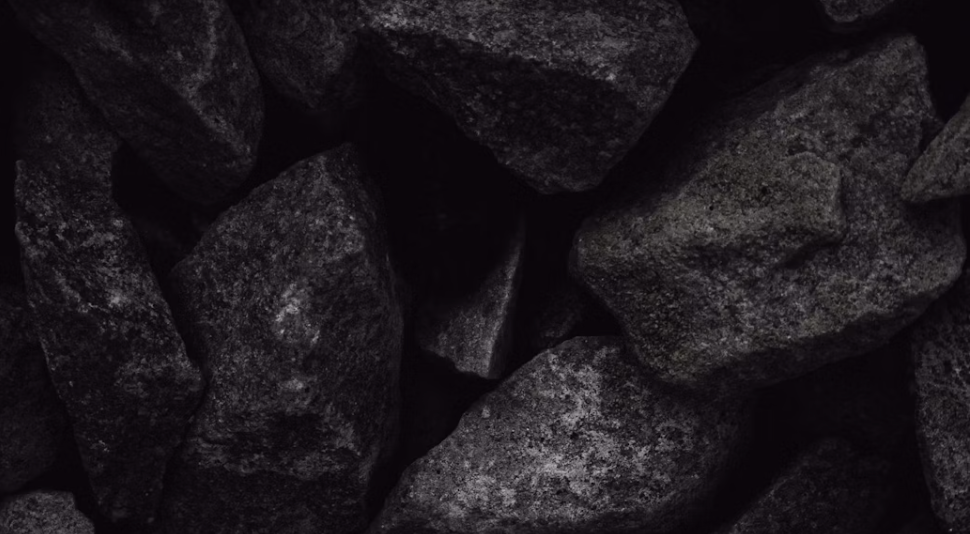
The activated carbon represents one of the most widely used water filtration solutions in the world. I've often found that despite its popularity, many are unaware of its actual operation and capabilities. Before investing in a filtration system, especially the Fontaineo mains-free water fountains equipped with activated carbon filters, it is essential to understand this fascinating material.
Origin and manufacturing of activated carbon
Activated carbon is not a natural product as is. Its production begins with the carbonization of carbon-rich organic materials. Among the most common raw materials, we find:
- Wood (especially coconut and palm wood)
- Coal
- Peat
- Agricultural residues like coconut husks
The manufacturing process takes place in two distinct phases. First, the raw material undergoes high-temperature carbonization (400-600°C) in the absence of oxygen. Then comes the activation, the crucial step that transforms ordinary charcoal into activated charcoal. This activation can be:
- Bodyby water vapor or CO₂ injection at 800-1000°C
- Chemistryby impregnation with strong acids or bases, followed by calcination
This process creates an extremely porous structure with a considerable internal surface area. A single gram of activated charcoal can thus develop a contact surface ranging from 500 to 1500 m²the equivalent of two to five tennis courts concentrated in a pinch of black powder!
How does activated charcoal absorb impurities?
Unlike absorption, where molecules penetrate the material, activated carbon works by adsorption – a phenomenon where molecules adhere to its surface. This physicochemical process is explained by Van der Waals forces and the electrostatic interactions between the coal surface and the molecules to be removed.
In practice, when water passes through a charcoal filter, organic contaminants, chlorine, and certain heavy metals are attracted to and retained on the surface of coal particlesHowever, not all pollutants are captured with the same efficiency. Activated carbon shows a particular affinity for:
- Nonpolar organic compounds
- Substances responsible for unpleasant tastes and odors
- Chlorine and its derivatives
- Certain pesticides and herbicides
Additionally, activated carbon filters have limitations when it comes to dissolved ions such as nitrates, fluorides, or mineral saltsFiltration also depends on factors such as contact time, charcoal particle size, and pollutant concentration.
Difference between activated carbon and regular charcoal
Let's not confuse activated charcoal with the regular charcoal you'd use for a barbecue! Three fundamental differences set them apart:
First, the Porous structure activated carbon is incomparably more developed. While conventional carbon has limited porosity, activated carbon offers a microscopic labyrinth of pores classified into three categories: macropores (>50 nm), mesopores (2-50 nm), and micropores (<2 nm).
Secondly, the specific surface area activated carbon is considerably higher – up to 1500 m²/g compared to a few m²/g for ordinary carbon. This characteristic explains its exceptional adsorption power.
Finally, the activated carbon undergoes a activation treatment specific modification of its surface chemical structure, creating active sites capable of interacting with various molecules. Ordinary charcoal, not having undergone this activation, remains relatively inert.
For network water fountains like those offered by Fontaineo, the use of carbon filters is therefore a wise choice to improve the taste and smell of the water while reducing certain chemical contaminants.
Pollutants that activated carbon can remove
The effectiveness of activated carbon In water filtration, it continues to impress. Faced daily with a cocktail of undesirable substances, this porous material proves to be a true molecular trap. Fontaineo's mains-fed water coolers, equipped with activated carbon filters, specifically take advantage of these remarkable properties.
Heavy metals and chlorine
Activated charcoal, particularly that derived from coconuts, stands out for its exceptional ability to remove heavy metals present in drinking water. Scientific studies notably demonstrate its total effectiveness against lead and arsenic. Furthermore, it remarkably captures chlorine, chloroform, and chloramines, which represents a significant advantage for purifying tap water that is often loaded with chlorine residues.
It should be noted, however, that the effectiveness of charcoal depends on its freshness – saturated charcoal gradually loses its adsorptive properties.
Pesticides and pharmaceutical residues
In our modern environment, Trace contaminants pose a major challenge.Fortunately, activated charcoal excels at removing pesticides, herbicides, and pharmaceutical residues. These substances, even at very low concentrations, can have impacts on our health.
Molecules like paracetamol, ibuprofen, or metaldehyde (slug repellent) are effectively adsorbed by specialized activated carbon filters. This capability is paramount in the face of the growing contamination of our water supplies by the pharmaceutical industry and intensive agriculture.
Industrial pollutants like PCBs
The pPolychlorinated biphenyls (PCBs), banned in France since 1987 but still present in the environment, pose a major environmental challenge. These compounds, classified as "probable carcinogens" and endocrine disruptors, are particularly persistent.
Faced with this threat, activated carbon offers a promising solution. During an emergency contamination in Belgium, activated carbon filters demonstrated their ability to completely eliminate detectable traces of PCBs in water. Thus, this technology stands out as a viable option for treating contaminated sediments in many rivers.
Adsorption onto activated carbon therefore makes it possible to intercept these toxic substances that do not degrade naturally in water, offering a sustainable approach to protect our environment and our health from these "forever chemicals."
What scientific studies really reveal
Scientific research on activated charcoal reveals precise results that manufacturers rarely mention. Let's dive into this data to better understand what activated charcoal filters, like those found in Fontaineo's network water fountains, can actually accomplish.
Proven effectiveness on COD and BOD
Studies show that activated carbon is particularly effective at reducing key water pollution indicators. Chemical oxygen demand (COD) significantly decreases after activated carbon filtration, as evidenced by measurements dropping from 378 mg/liter to 156 mg/liter after just five hours of filtration. This reduction indicates the progressive removal of oxidizable substances present in the water.
Even more impressive is that when industrial wastewater is treated with activated carbon, the biochemical oxygen demand (BOD) can be reduced by up to 99%. This figure demonstrates carbon’s extraordinary ability to remove biodegradable organic matter.
Nevertheless, these performances require optimal conditions. Studies specify that the ideal contact time between water and carbon varies between 20 and 40 minutes for maximum efficiency.
Comparison between types of charcoal (bamboo vs. hardwood)
Not all activated carbon sources are created equal. Comparative research between different source materials reveals distinct properties.
Bamboo activated charcoal stands out for its exceptional effectiveness against certain heavy metals. Indeed, scientific tests confirm that it removes completely Lead and arsenic in a single filtration. This performance surpasses that of many other types of charcoal.
Furthermore, charcoal derived from hardwoods like oak has a different porous structure, which helps eliminate other specific compounds. Comparative studies show that the raw material directly influences the adsorption capacity for particular substances. For example, activated charcoal from coconut shells demonstrates a superior affinity for volatile organic compounds.
Filtration limits by substance
Despite its impressive performance, science clearly identifies the limitations of coal. Its adsorption capacity varies considerably depending on the molecules:
- Dichloromethane: only 7 g/kg (0.7%) of adsorption
- Tetrachloroethylene: up to 200 g/kg (20%)
- Dichloroethylene: approximately 60 g/kg (6%)
Some persistent pollutants, such as PCBs, are only partially removable through treatment, with removal rates peaking at approximately 95%. Furthermore, activated carbon has limitations when it comes to inorganic substances and certain heavy metals without specific treatment.
A crucial point often overlooked: scientific studies confirm that saturated carbon can release previously captured contaminants, potentially making the water more contaminated than before filtration. This phenomenon highlights the critical importance of regularly replacing activated carbon filters, especially in high-quality water fountains.
How to get the most out of activated charcoal at home?
To maximize the efficiency of activated carbon water At home, some practical knowledge proves to be indispensable. Having tested several filtration systems, I have identified the key factors that determine their real performance, far beyond commercial promises.
Maintenance and reactivation of charcoal
Although industrial reactivation of activated carbon requires extreme temperatures (800-1000°C), some domestic methods can partially extend its effectiveness:
Backwashing with lukewarm water (30°C maximum) can remove certain particles and extend the filter’s life by 15–20%. However, this technique does not remove chemical contaminants that have already been adsorbed.
For granular activated carbon, exposure to sunlight for 2–3 hours followed by air drying can temporarily restore some of its adsorption capacity, but never to more than 60% of its initial efficiency.
Compatibility with water softeners or other filters
The integration of activated carbon into a multi-stage filtration system follows a precise logic. Ideally, the activated carbon filter should be placed after a water softener, as activated carbon effectively removes traces of sodium sometimes released by softening resins.
Furthermore, in an optimal configuration, the sediment filter always precedes the activated carbon, thus extending its lifespan by removing particles that could clog its pores. Finally, for maximum protection, an activated carbon filter can precede a UV system that will neutralize microorganisms potentially trapped in the carbon.
Activated Charcoal: Danger or Sustainable Solution?
If the activated carbon presents confirmed benefits for water filtration, certain aspects deserve careful consideration. The mains-connected water fountains Fontaineo water dispensers are equipped with activated carbon filters. Users also benefit from safe water. Advanced systems like those from Fontaineo remove up to 99.9% of bacteria and 99.9% of viruses thanks to the Complementary UV technology, offering complete protection.
To take full advantage of these benefits, please do not hesitate to contact us at 03 81 92 67 32 or via our contact page to get personalized advice on the model best suited to your specific needs.

 English
  Français
  Español
  Italiano